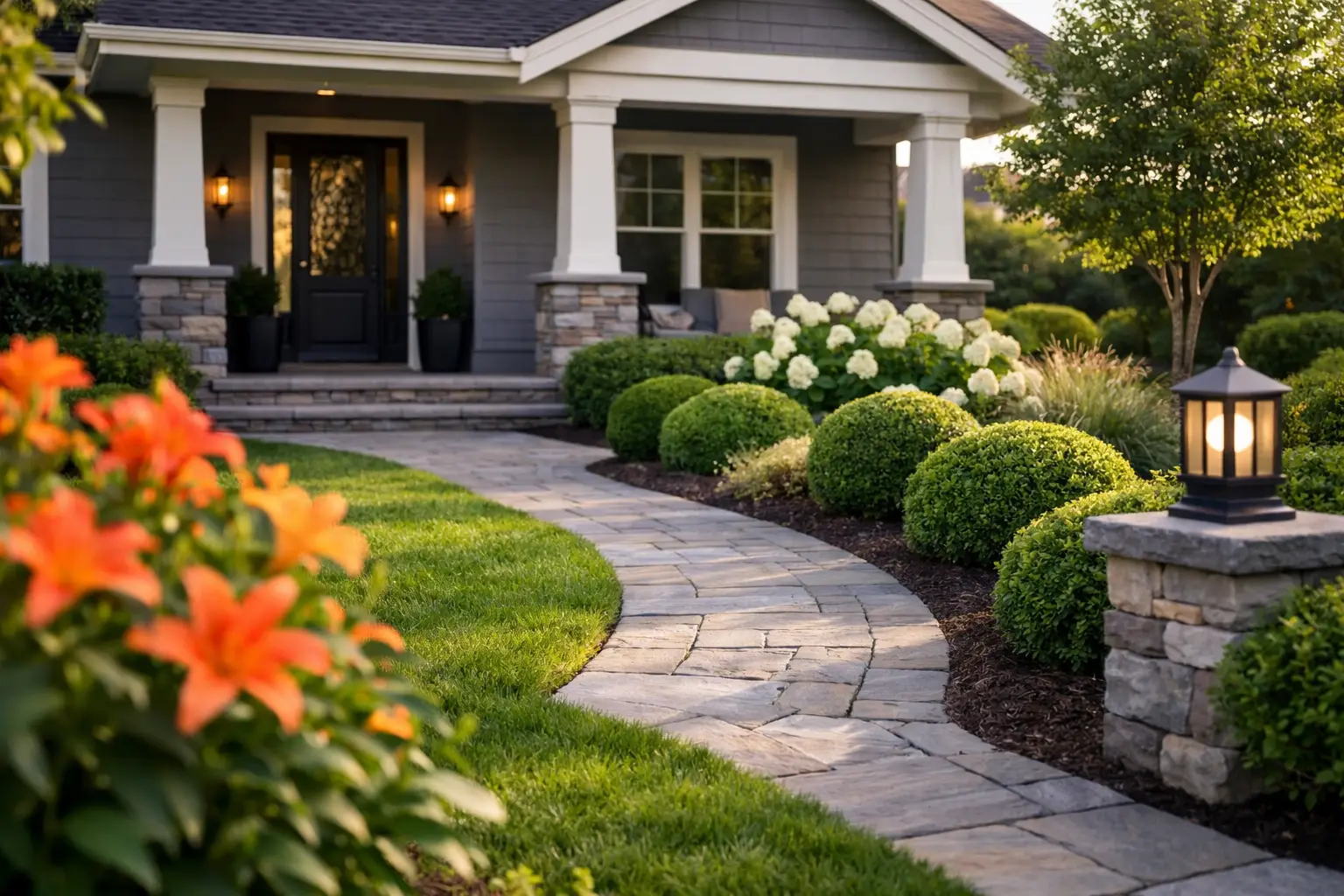
A property can be structurally sound and still look neglected from the street. Most of the time, that comes down to buildup, fading, and a few small exterior issues that quietly stack up. If you are wondering how to improve curb appeal, the answer usually is not a full renovation. It is consistent attention to the surfaces people see first.
That matters in places like Birmingham, Hoover, Vestavia Hills, and surrounding areas, where heat, humidity, pollen, mildew, and summer storms do real work on exterior surfaces. Windows haze over, gutters stain, wood starts to soften, and concrete picks up grime faster than most owners expect. The good news is that strong curb appeal usually comes from fixing the basics well.
How to improve curb appeal starts with what looks dirty
The fastest way to change how a property feels is to remove what should not be there. Dirt, algae, mildew, oxidation, cobwebs, leaf stains, and runoff marks make a home or storefront look older than it is. Cleaning is often more effective than replacing, especially when the underlying materials are still in good shape.
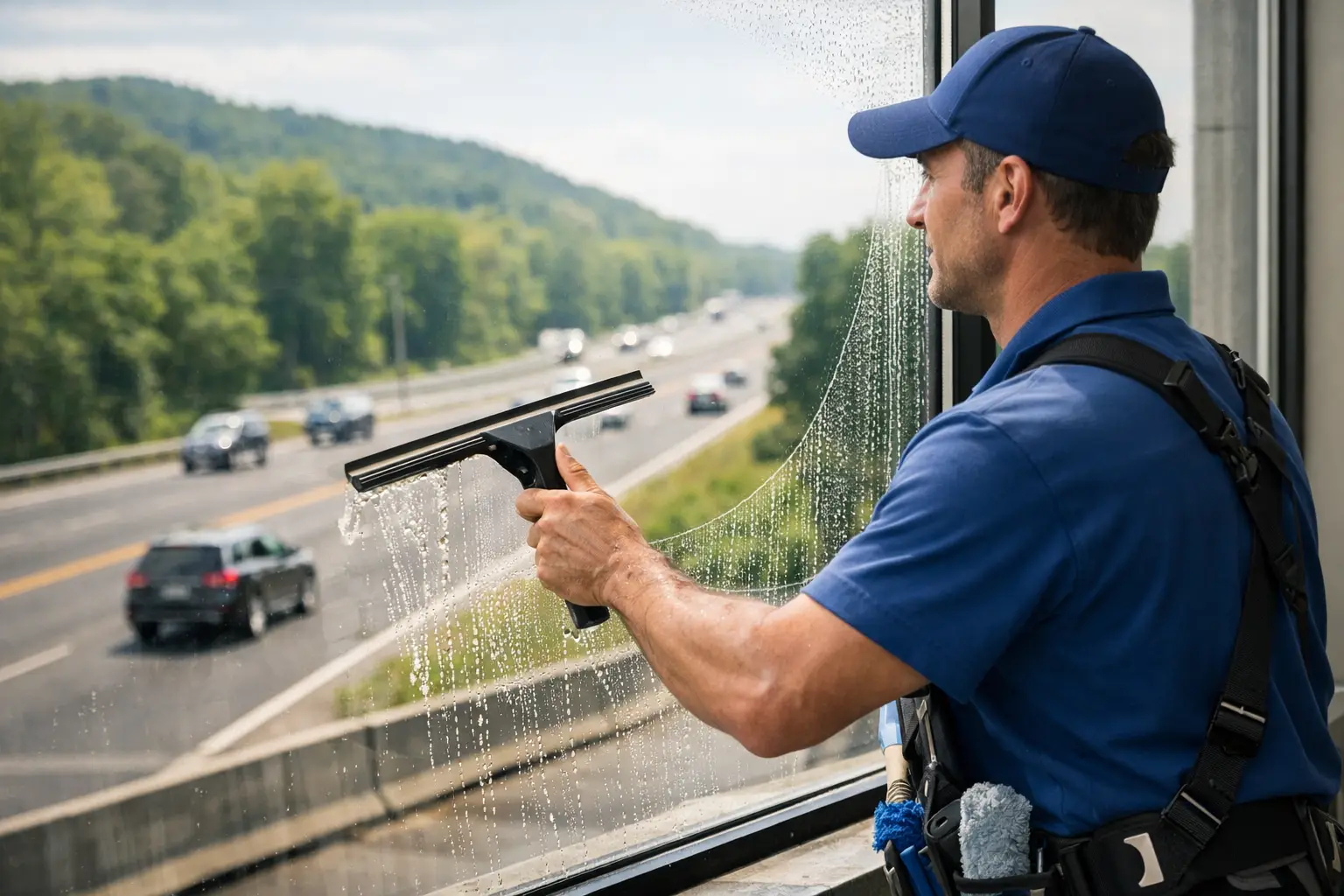
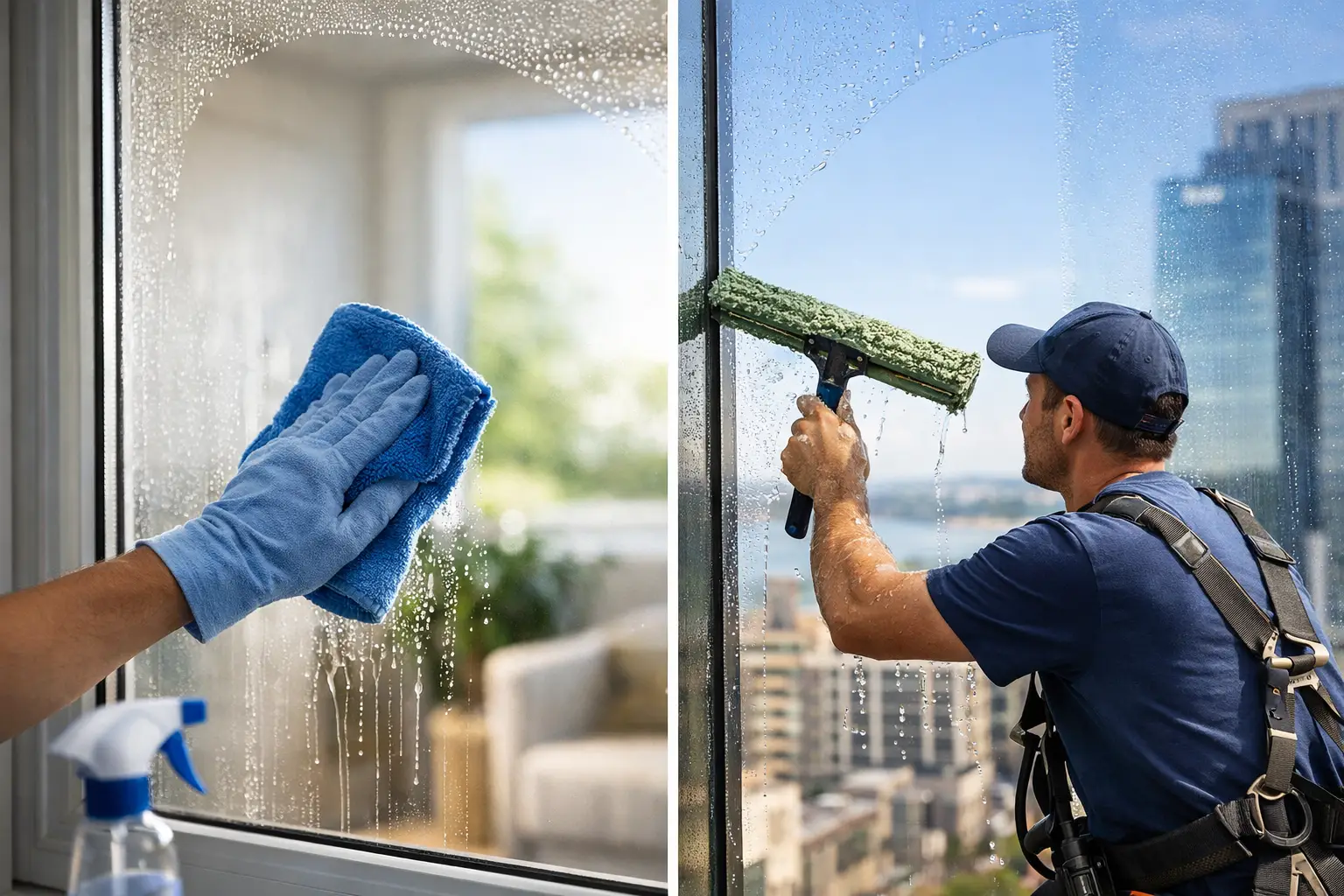
Windows are one of the biggest visual factors. Clean glass reflects more light, sharpens the look of the whole front elevation, and makes interiors feel brighter from the outside. Dirty screens and tracks can also drag down the appearance, even if the glass itself has been wiped before. A detailed window cleaning makes a bigger difference than many owners realize because it affects both presentation and the sense that a property is cared for.
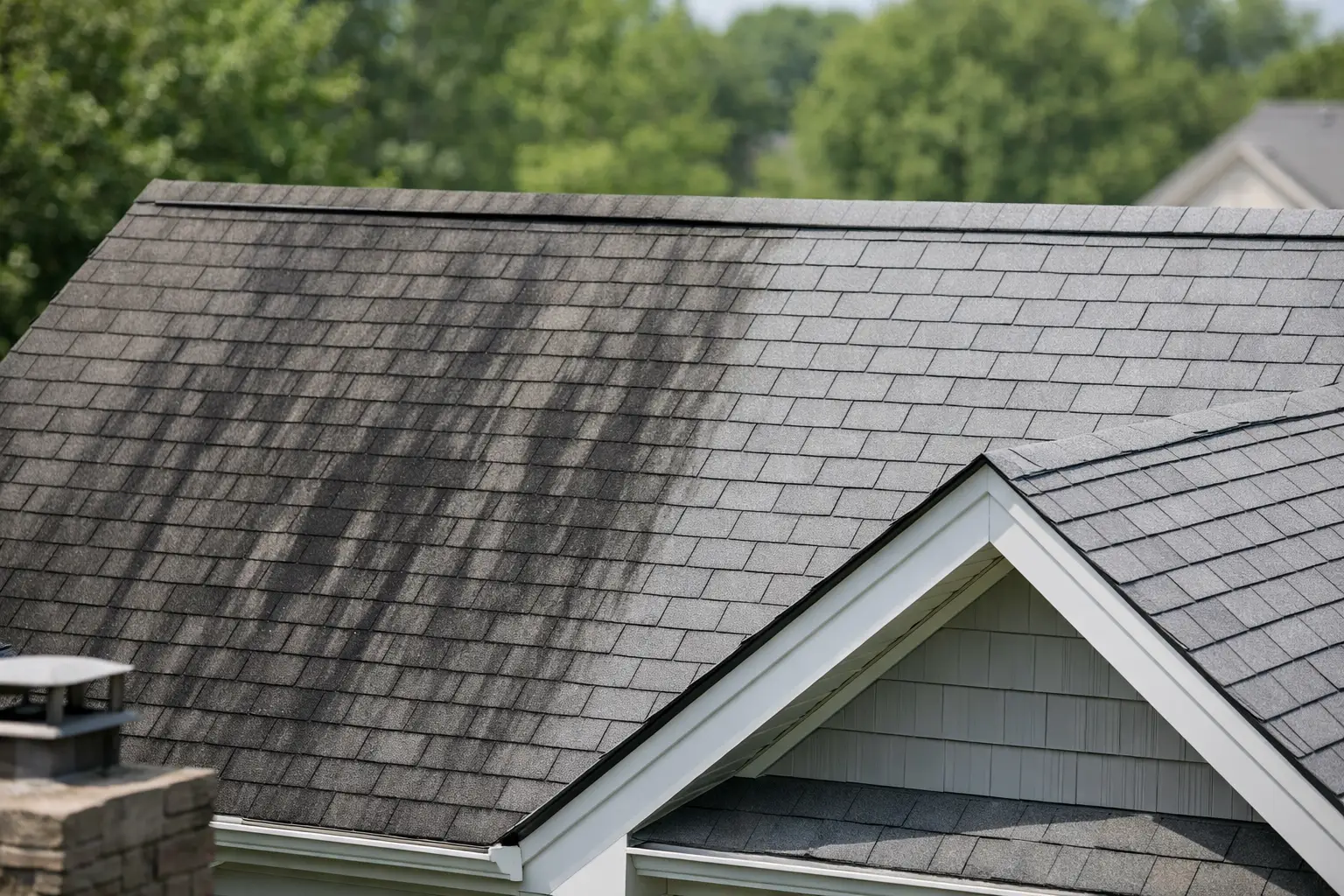
The same goes for gutters. When gutters are striped with black tiger marks, packed with debris, or sagging at the roofline, people notice. Curb appeal is not only about beauty. It is also about signals. Clean, functioning gutters tell people the property is maintained. Overflow stains and plant growth tell a different story.
Pressure washing and soft washing are not the same job
A common mistake is treating every exterior surface the same. Concrete, brick, painted siding, roofing materials, wood, and trim all respond differently to water pressure and cleaning solutions. If you are figuring out how to improve curb appeal without creating damage, this is where method matters.
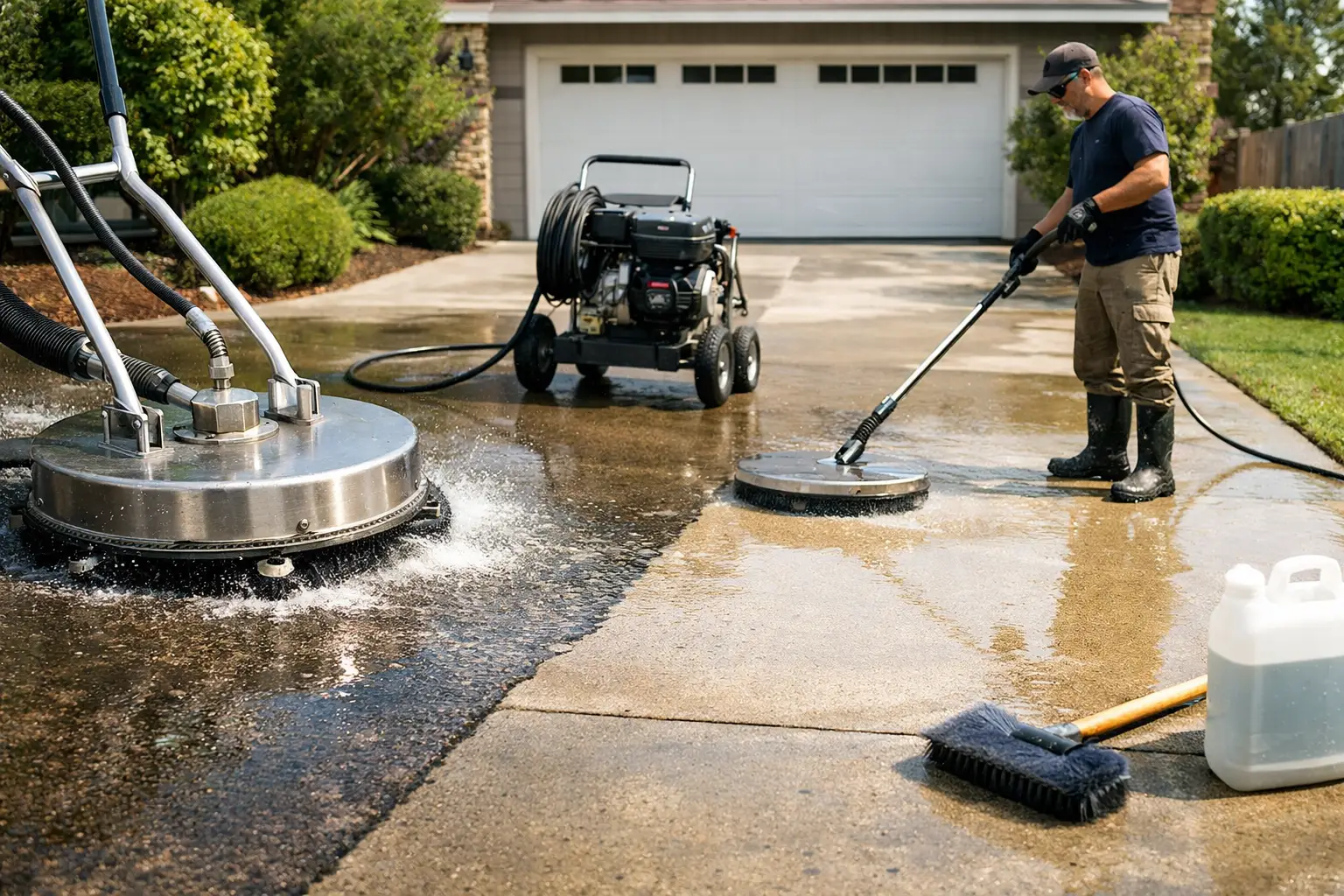
Pressure washing works well for durable surfaces like driveways, sidewalks, and some hardscapes where embedded grime needs force to break loose. It can brighten the front walk, clean up entry areas, and remove the dull gray film that makes concrete look worn out.
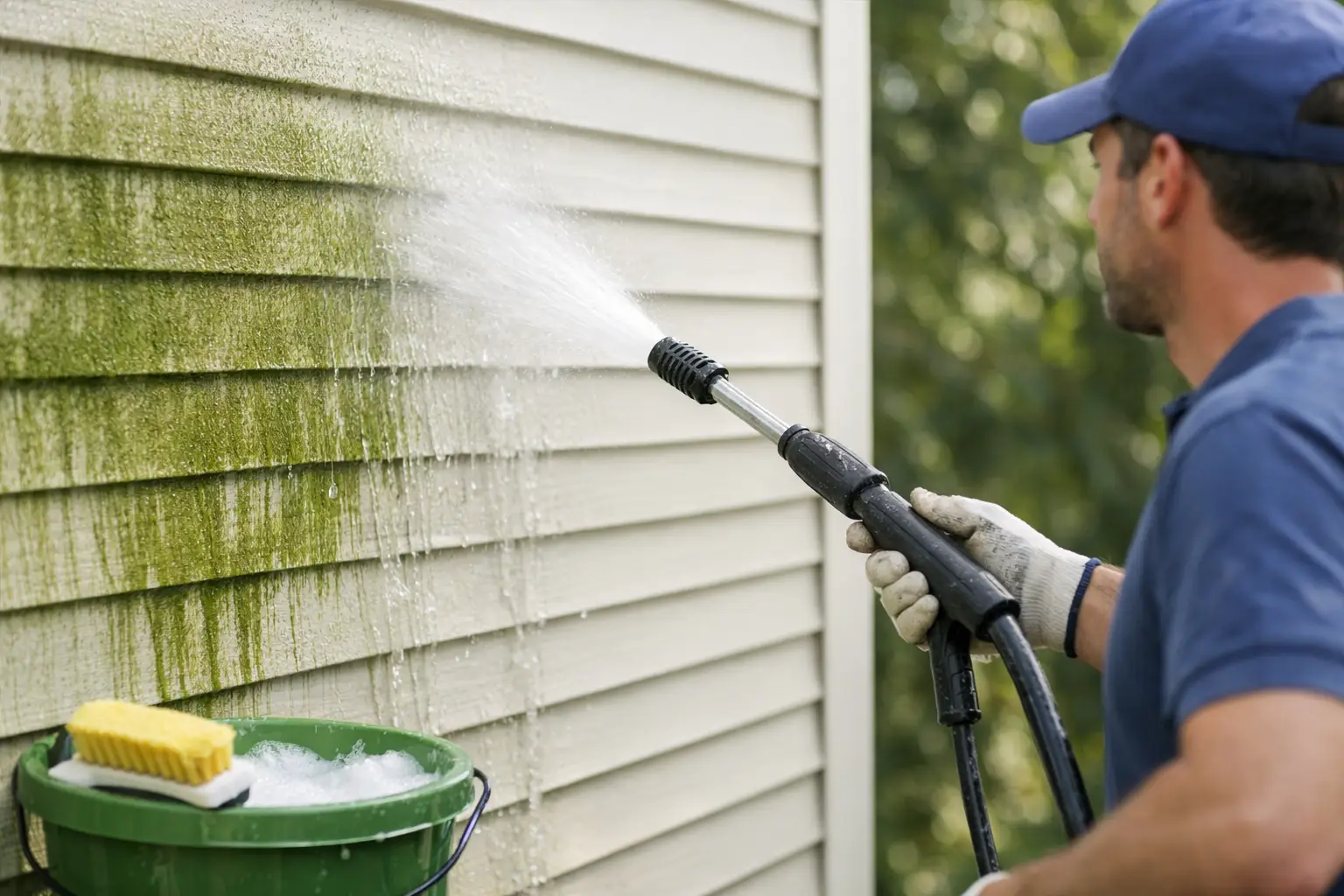
Soft washing is often the better choice for surfaces that need a gentler approach, such as painted exteriors, trim, and areas with mildew or organic staining. It cleans without the same level of force, which helps protect finishes and reduce the risk of damage. The trade-off is that the right approach depends on the material, not on which method sounds stronger.
For many properties, the driveway, front steps, porch, siding, and lower exterior walls are carrying more of the visual burden than the landscaping. Clean those first, and the whole property can look newer without a single cosmetic upgrade.
Small repairs have an outsized effect
Curb appeal drops fast when minor damage is left alone. Rotten trim, cracked caulk lines, loose boards, peeling stain, bent gutters, and worn deck surfaces all create the same impression – deferred maintenance. Even when the issue is isolated, it pulls attention away from everything that still looks good.
That is why small repairs tend to deliver such strong value. Replacing rotten wood around windows or trim can sharpen the appearance of the facade immediately. Restaining or repairing a deck can turn it from an eyesore into an asset. Straightening up details around the entry makes the entire property look tighter and better cared for.
There is also a practical side here. Some exterior fixes are not just cosmetic. Rotten wood and clogged gutters can become bigger problems if water keeps getting where it should not. When curb appeal improvements also protect the structure, that is money spent in the right place.
Focus on the front-facing priorities first
Not every exterior project needs to happen at once. If time or budget is limited, start with what people see from the street and from the front door. That usually means the windows, front walkway, porch, siding around the entrance, gutters, and any visible wood trim.
This is where a lot of owners overcomplicate things. They think they need new landscaping, a new front door, or a major repaint. Sometimes they do. But often the property just needs to look clean, aligned, and maintained. That is a lower lift and usually a better first move.
For homeowners, that might mean cleaning the glass, washing the front path, clearing the gutters, and repairing a few weathered areas before worrying about decorative upgrades. For commercial properties, it often means clean storefront windows, mildew-free walkways, and an entrance that does not look neglected by midweek.
The best curb appeal is consistent, not occasional
A one-time cleanup can look great for a while, but curb appeal is easier to keep than to recover. That is especially true in Central Alabama, where pollen season, tree debris, rain, and humidity can undo neglected exteriors in a hurry.
Maintenance plans make sense because buildup is predictable. Windows cloud over gradually. Gutters fill up again. Mildew returns where moisture lingers. Decks weather in the sun. If a property matters to you, regular upkeep saves you from the bigger reset later.
This is where working with a full-service exterior maintenance company helps. When one crew can handle windows, gutters, pressure washing, soft washing, and minor exterior repairs, the property gets cared for as a whole. That usually produces better visual results than treating each issue as a separate errand.
How to improve curb appeal without wasting money
The smartest spending usually follows this order: clean first, repair second, upgrade third. Too many owners spend on cosmetic additions while grime and obvious maintenance issues are still in place. New planters will not overcome mildew on siding. Fresh mulch will not distract from overflowing gutters.
Cleaning shows you what actually needs attention. Once surfaces are clear, you can see whether the problem is dirt, wear, or damage. That makes it easier to decide what deserves real investment.
There are cases where upgrades are worth it. A faded deck may need more than washing and benefit from staining. Gutter guards may make sense if a property deals with constant leaf buildup. But those decisions land better after the visible neglect is removed.
For many local properties, the best return comes from skilled exterior cleaning paired with a few targeted repairs. It is not flashy, but it works.
Where professional service makes the difference
Some curb appeal work is straightforward. Some is time-consuming, risky, or easy to do poorly. High windows, roofline gutters, delicate surfaces, ladder work, and stain-prone materials are where professional service earns its keep.
Good exterior maintenance is not just about getting things wet and calling them clean. It is knowing how to clean each surface safely, spotting early signs of water damage, and doing detailed work that holds up after the truck pulls away. That is why property owners who care about results often prefer experienced crews over bargain providers.
A company like Squeeky Clean Windows Gutters & More brings that kind of practical value because the work goes beyond basic window washing. When the same team can clean glass, restore brightness to exterior surfaces, address clogged gutters, and catch small repair issues early, curb appeal improves in a way that looks intentional rather than temporary.
If your property looks a little tired from the street, start with the surfaces doing the most talking. Clean them, fix what is failing, and keep up with it before buildup takes over again. The best curb appeal is not about showing off. It is about making your home or business look cared for the moment someone pulls up.