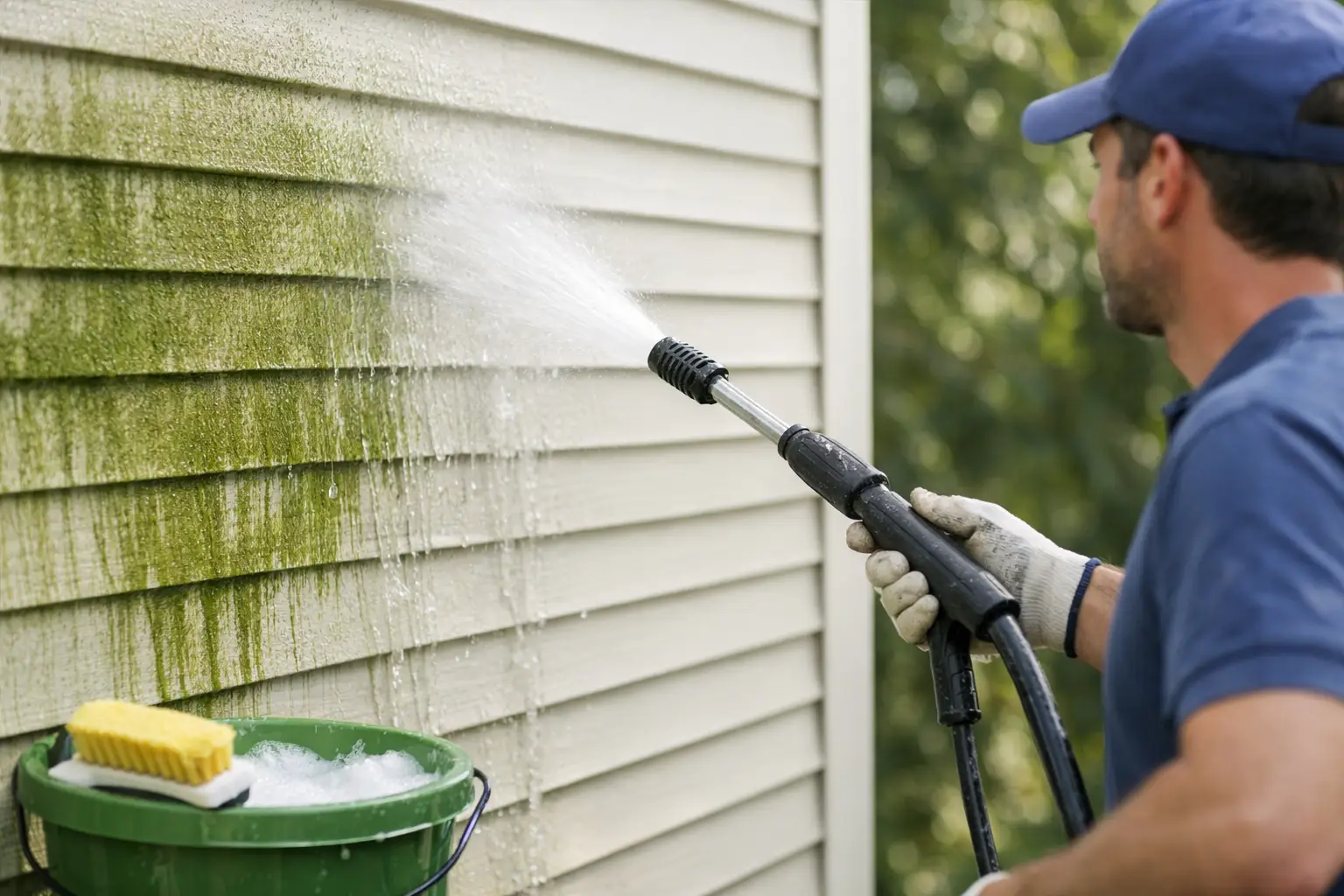
That green film creeping up the shaded side of your house is not just a cosmetic issue. If you are wondering how to wash algae off siding, the right approach matters because the wrong one can leave you with streaks, oxidation marks, or even water pushed behind the panels.
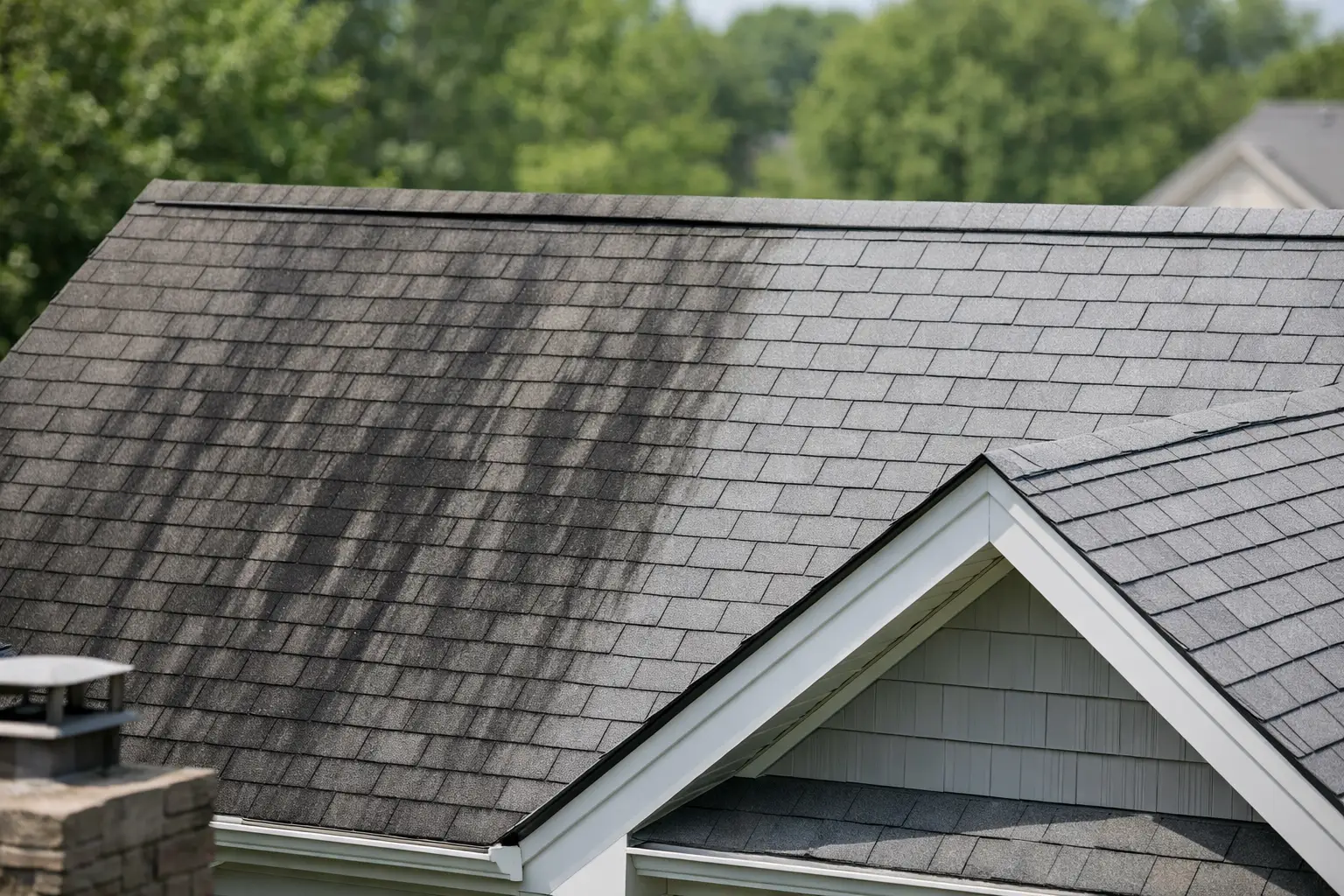
In Alabama, algae buildup is common on homes and commercial buildings that deal with heat, humidity, tree cover, and long stretches of damp weather. It tends to show up first on the north side of a structure, under gutters, behind shrubs, and in areas that stay shaded most of the day. The good news is that most siding can be cleaned successfully. The key is using the right pressure, the right cleaning mix, and a little patience.
How to wash algae off siding without causing damage
The safest method depends on the siding material. Vinyl, painted wood, fiber cement, and aluminum all handle cleaning a little differently, but the general rule stays the same – let cleaning solution do most of the work, not brute force.
A soft wash approach is usually the best place to start. That means applying a siding-safe cleaning solution, giving it time to break down the algae, and then rinsing thoroughly with low pressure. Homeowners often assume a pressure washer is the answer because it looks faster. Sometimes it is, but high pressure is also the quickest way to scar paint, force water behind lap siding, or leave visible wand marks.
If the algae is light and fairly new, you may be able to remove it with a garden hose, a soft-bristle brush, and a cleaning solution made for exterior siding. If the growth is heavy, blackened in spots, or spreading over multiple elevations, a professional soft wash is usually the better call.
Why algae keeps coming back on siding
Algae is not random. It grows where moisture lingers.
Overflowing gutters can contribute to it. So can clogged downspouts, dense landscaping, poor sunlight, and dirt on the siding that gives growth something to hold onto. On many properties, the algae problem is a symptom of a larger exterior maintenance issue rather than a one-time cleaning problem.
That is why some homes look clean for a year or two after washing, while others start turning green again in a few months. If trees are packed tight against the house and sprinkler heads are hitting the wall every morning, cleaning alone will not solve the root cause.
Areas that usually need extra attention
Most algae growth starts in the same trouble spots. Under roof edges, behind bushes, around leaky hose bibs, below window sills, and anywhere runoff carries dirt down the wall are common examples. In neighborhoods around Birmingham, Hoover, and Vestavia Hills, shaded lots and humid summers make these sections especially prone to repeat growth.
When you clean siding, inspect those areas closely. If you only rinse the visible green streaks and ignore what is feeding them, the improvement may be short-lived.
What you need before you start
You do not need a truckload of equipment, but you do need the right basic setup. A garden hose with a spray nozzle, pump sprayer, soft brush with an extension pole, gloves, eye protection, and a siding-safe cleaner will handle many jobs.
If you use a bleach-based exterior wash, protect nearby plants first by soaking them with water before and after application. Keep the solution off fabrics, unfinished wood, and decorative metal when possible. Read the product label and stick to the recommended dilution. Stronger is not always better, especially on older siding or painted surfaces.
Pressure washers are where many do-it-yourself jobs go sideways. They can be useful on some surfaces, but the pressure should stay low, and the spray should never be directed upward under the laps of the siding. If you cannot control the machine confidently, a hose-and-cleaner method is the safer option.
Step-by-step: how to wash algae off siding
Start by moving patio furniture, covering delicate plants if needed, and closing all windows and doors tightly. Turn off exterior electrical fixtures in the work area if water exposure is a concern.
Rinse the siding first. This removes loose dirt and cools the surface so the cleaner does not dry too quickly. Working on a hot wall in direct sun can leave uneven results, so morning or late afternoon is usually best.
Apply your cleaning solution from the bottom up. That may sound backward, but it helps reduce streaking. Let it dwell for the amount of time recommended on the label, but do not let it dry on the surface.
If algae remains in patches, lightly agitate those sections with a soft-bristle brush. You are not trying to grind the stain off. You are helping the cleaner lift what it has already loosened.
Then rinse thoroughly from the top down with low pressure. That flushes the residue away and helps you see whether any areas need a second application. On heavily shaded walls, a second treatment is common and not necessarily a sign you are doing anything wrong.
When pressure washing makes sense – and when it does not
Pressure washing siding is not always a bad idea. It just has a narrow margin for error.
On durable, well-installed siding in good condition, low-pressure rinsing can speed up the process after a proper chemical treatment. What it should not be used for is blasting away algae as if pressure alone is the cleaner. That approach can strip oxidation from vinyl, leave zebra-striping on painted surfaces, and drive water into places it should never go.
Older homes deserve even more caution. If siding is brittle, caulk joints are failing, or paint is already loose, aggressive washing can create a repair project out of a maintenance task. In those cases, a gentler soft wash process is the safer investment.
Different siding materials, different risks
Vinyl siding responds well to soft washing, but it can be damaged by too much pressure or by spraying upward under the seams. Painted wood siding needs a careful touch because loose paint and exposed wood fibers can worsen quickly. Fiber cement is durable, but manufacturer care guidelines still matter. Aluminum can oxidize, and harsh methods may leave uneven bright spots.
If you are not fully sure what material you have, it is better to identify that first than to guess and clean aggressively.
Common mistakes homeowners make
The biggest mistake is treating algae like ordinary dirt. It is living organic growth, so it needs the right cleaner to kill and remove it effectively. Water alone may improve the look for a week or two, but it often comes right back.
Another mistake is skipping plant protection. Even mild exterior cleaners can stress landscaping if you apply them carelessly on a hot day. Rinsing vegetation before and after cleaning goes a long way.
A third mistake is waiting too long. Once algae gets thick, it traps more moisture and grime, which makes the wall look older and dingier than it really is. Early treatment is easier on the siding and usually less expensive if you decide to bring in a professional.
Should you clean it yourself or hire a professional?
It depends on the height of the home, the type of siding, and how widespread the growth is.
If the algae is limited to a single-story section you can safely reach from the ground, a careful do-it-yourself cleaning may be practical. If you need ladders, have delicate painted surfaces, or are dealing with multiple stories and heavy staining, professional service often saves time and reduces risk.
That is especially true when algae is tied to other exterior issues like clogged gutters, dirty soffits, or neglected trim. A company that handles full exterior maintenance can spot the bigger picture instead of just rinsing the walls and leaving.
For property owners who want the job done carefully and thoroughly, Squeeky Clean Windows Gutters & More often sees siding problems connected to runoff, shade, and buildup elsewhere on the home. Cleaning the wall is important, but so is fixing what keeps feeding the problem.
How to keep algae off siding longer
After cleaning, trim back shrubs and tree limbs that block airflow and sunlight. Keep gutters flowing properly so dirty overflow does not streak the walls. Adjust sprinklers if they are hitting the siding. Wash down problem areas before growth gets heavy again.
You may also want to put siding cleaning on a routine exterior maintenance schedule instead of waiting until the house looks green from the street. That approach usually protects curb appeal better and puts less stress on the surface over time.
A clean wall changes the way the whole property looks. More than that, it gives you a chance to catch moisture issues early, before staining turns into repair work. If the algae keeps returning, the smartest move is not always to scrub harder. It is to clean it the right way and deal with what is causing it.