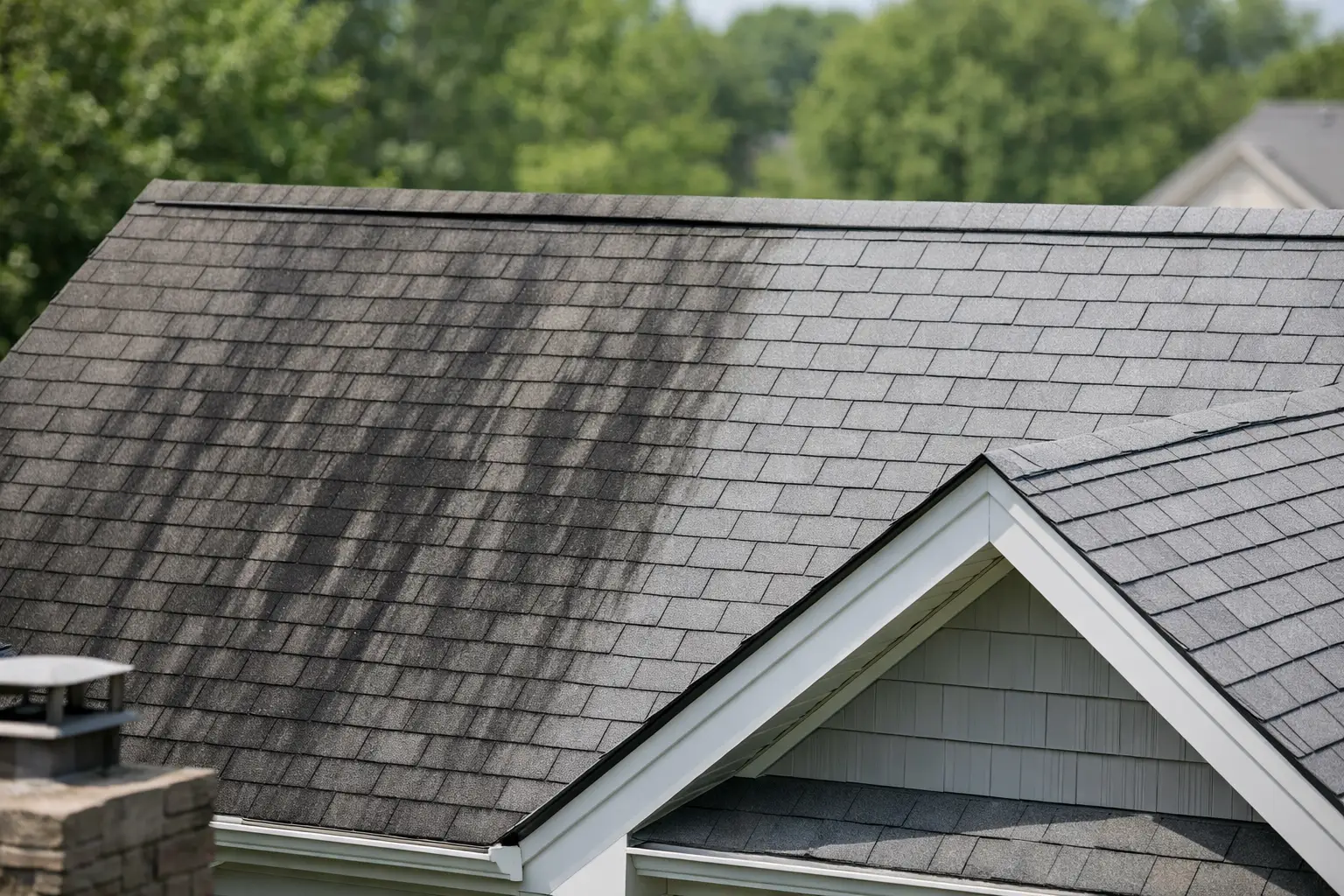
You look up one day and notice dark lines running down your shingles. At first, they look like dirt or runoff from a storm. Then they keep spreading. If you are wondering what causes black streaks on roofs, the short answer is algae – but the full story matters if you want to protect your roof instead of damaging it with the wrong cleaning method.
Those streaks are usually caused by a type of blue-green algae called Gloeocapsa magma. It feeds on the limestone filler used in many asphalt shingles, and it tends to show up as dark stains that follow the roofline. In a place like Birmingham, where heat, humidity, tree cover, and moisture often work together, roof algae can become a common curb appeal problem for both homes and commercial buildings.
What causes black streaks on roofs in the first place?
Most black roof streaks are not soot, mold, or plain dirt. They are typically algae growth. As the algae spreads, it creates those familiar dark marks that stand out most on lighter-colored shingles, though they can affect nearly any asphalt roof.
The reason it appears in streaks instead of one even patch comes down to how water moves across the roof. Moisture lingers in certain areas longer than others, especially on shaded slopes, under overhanging branches, and anywhere airflow is limited. Over time, algae colonies grow in those damp sections and leave the roof looking uneven and worn.
This is also why one side of the roof can look much worse than the other. The north-facing or more shaded side often stays damp longer, which gives algae a better place to grow. If your roof gets only partial sun, the problem may build slowly enough that you do not notice it until the streaking becomes obvious from the street.
Why Alabama roofs are especially prone to black streaks
Warm, humid weather gives algae exactly what it wants. In Central Alabama, roofs often stay exposed to a mix of summer heat, regular rain, pollen, and organic debris. That combination creates a surface where algae can take hold and keep feeding.
Tree cover is another big factor. Homes in areas like Hoover, Vestavia Hills, Mountain Brook, and neighborhoods off Highway 280 often have beautiful mature trees, but the added shade can keep shingles damp for longer stretches. Leaves, twigs, and pollen also collect on roof surfaces and around gutters, adding more material that holds moisture in place.
Humidity alone does not guarantee black streaks, but it speeds up the conditions that make them more likely. If a roof is older, shaded, and not cleaned for years, the staining usually becomes more visible and harder to ignore.
Are black roof streaks harmful or just cosmetic?
At first, the issue is mostly cosmetic. Black streaks make a property look neglected, and they can drag down curb appeal faster than many owners expect. That matters if you take pride in your home, manage a commercial building, or plan to sell in the near future.
But the problem does not always stay cosmetic. Algae can trap moisture against the roof surface, and that can contribute to faster wear over time. It may not mean your roof is failing right now, but it does mean the shingles are dealing with more moisture and heat retention than they should.
A dirty roof can also lead to other growth. Once algae and debris build up, moss and lichen may follow in certain areas. Those are more aggressive than simple staining and can shorten the life of roofing materials if left alone. So while black streaks may start as a visual issue, they are still worth addressing before they become part of a larger maintenance problem.
What black streaks are not
Homeowners often assume the staining is caused by one of several other things. Sometimes it is, but not usually.
It is not typically mold growing inside the roof system. It is also not usually a sign that your gutters are failing, though overflowing gutters can make moisture problems worse along the roof edge. Air pollution and chimney soot can leave dark marks, but those tend to be more localized and less uniform than algae streaking.
The distinction matters because the right fix depends on the real cause. Treat algae like ordinary dirt, and the stains will come back. Treat a delicate asphalt roof like concrete, and you risk removing granules or shortening the roof’s lifespan.
Why pressure washing is usually the wrong approach
This is where many good intentions go sideways. A lot of property owners see black streaks and assume a strong pressure wash will solve it fast. On asphalt shingles, that is usually the wrong move.
High pressure can strip away the protective granules on the shingle surface. Once those granules are lost, the roof becomes more vulnerable to sun exposure and weathering. You may remove the stain, but you can also reduce the life of the roof in the process.
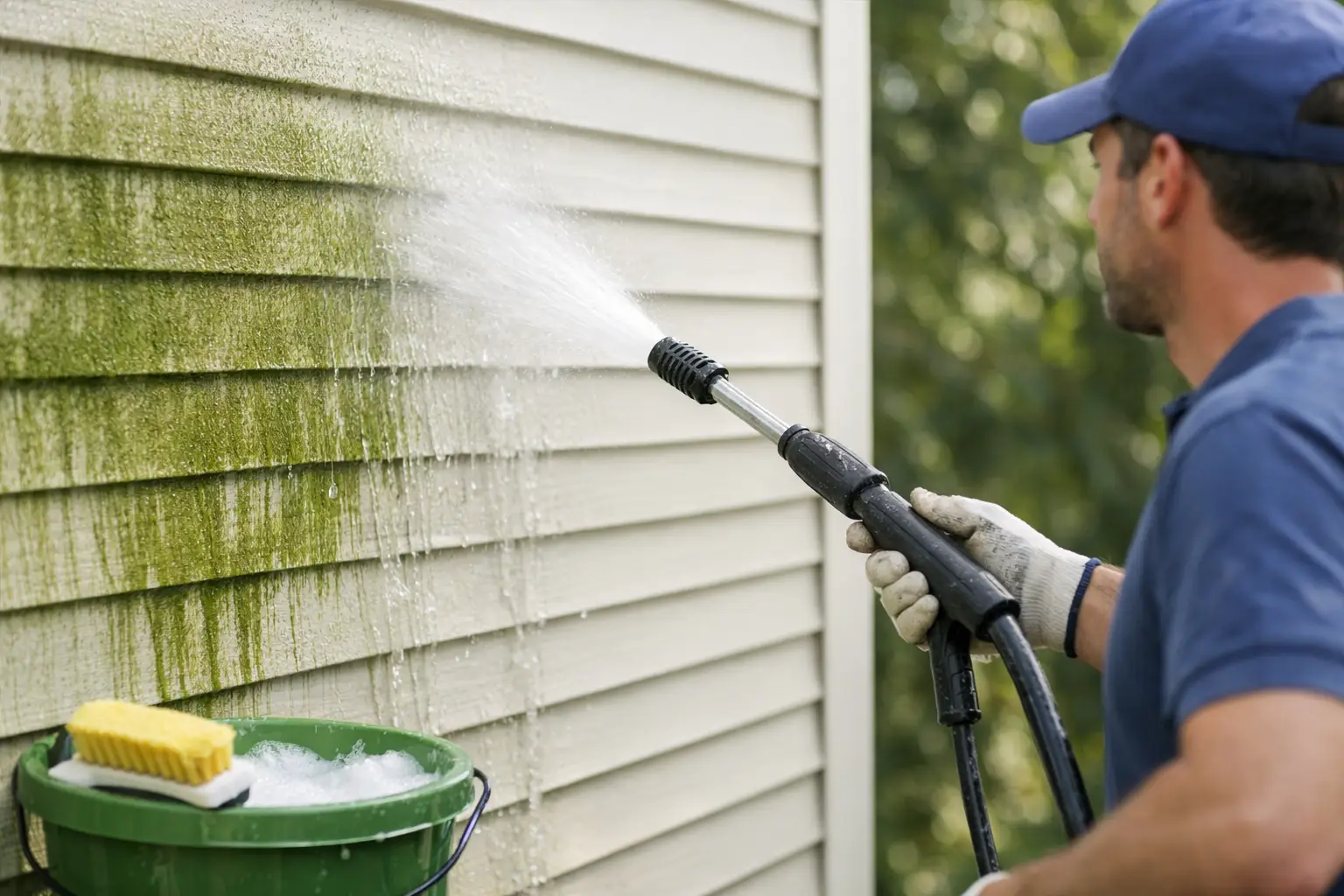
That is why professional roof cleaning is typically done with a soft wash method instead. Soft washing uses specialized cleaning solutions and low pressure to kill the algae and remove the staining without blasting the roof surface apart. It is a more careful process, and on most shingle roofs, careful is exactly what you want.
How roof streaks should be cleaned
The safest method depends on the roof material, its age, and its condition. For asphalt shingles, soft washing is the standard approach because it treats the biological growth instead of just rinsing the surface. When done correctly, it cleans the staining while protecting the integrity of the roof.
A professional will usually assess the roof pitch, shingle condition, surrounding landscaping, and drainage before cleaning. That matters because runoff should be managed properly, and delicate plants around the home may need to be protected during the process.
If a roof is already brittle or near the end of its service life, cleaning may need a lighter touch or a different plan. That is one of those situations where it depends. A newer roof with clear algae staining is often a good candidate for soft washing. A roof with curling shingles, loose granules, or active damage may need a roofing inspection before any cleaning happens.
Can black streaks be prevented?
You cannot make a roof completely immune to algae, especially in a humid climate, but you can slow it down.
Keeping overhanging branches trimmed helps reduce shade and improves airflow. Regular gutter cleaning also matters more than people think, because clogged gutters can hold moisture along the roofline and encourage buildup near the edges. Removing leaves and roof debris before they sit for long periods can also help.
Some roofs include algae-resistant shingles with copper or similar materials designed to slow growth. Those can be helpful, though they are not perfect forever. Even algae-resistant products can show staining eventually, especially if the roof stays shaded and damp most of the year.
Routine exterior maintenance is often the most practical answer. A roof does not need constant attention, but it should not be ignored until the streaking is severe. Property owners who keep up with washing, gutter care, and surrounding trees usually have fewer problems and better-looking roofs over time.
When to call a professional
If the roof streaks are widespread, if the roof is steep, or if you are unsure what type of staining you are dealing with, it is smart to bring in a professional. Roof cleaning is not just about getting the surface wet. The method, solution strength, safety setup, and material knowledge all matter.
That is especially true on larger homes and commercial properties where appearance and long-term maintenance both count. A professional can tell the difference between algae staining, moss, lichen, and runoff marks, then recommend the right treatment instead of guessing.
For property owners around Birmingham and surrounding areas, this is one of those jobs where local experience helps. A company that regularly handles roof washing, gutter cleaning, and exterior surfaces in Alabama weather will understand how these streaks form and how to clean them without creating a bigger problem. That practical, careful approach is the kind of work Squeeky Clean Windows Gutters & More has built its reputation on since 1992.
Black streaks do not mean your roof is ruined, but they do mean your roof is asking for attention. The sooner you deal with the cause, the easier it is to restore a clean look, protect curb appeal, and keep small maintenance issues from turning into expensive ones later.