Dirty windows rarely happen all at once. It starts with a light film you only notice when the afternoon sun hits the glass, then pollen sticks, water spots settle in, and tracks collect enough grit to make the windows feel rough when you open them. A good residential window cleaning checklist helps you catch those issues before your home starts looking tired from the outside or dimmer from the inside.
For most homeowners, the real question is not whether windows need attention. It is whether they need a quick touch-up, a full cleaning, or a more complete service that includes screens, tracks, and hard-to-reach panes. That difference matters, because clean glass looks better, but detailed window care also helps protect frames, improve function, and keep grime from turning into a bigger maintenance problem.
What a residential window cleaning checklist should cover
A useful checklist goes beyond the glass itself. If you only look at smudges on the pane, you can miss the areas that make windows feel dirty even after a basic wipe-down. Screens trap dust and pollen. Tracks collect mud, bugs, and debris. Frames hold onto oxidation, cobwebs, and splash marks from rain.
That is why a proper residential window cleaning checklist should account for the full window system. You want to evaluate interior glass, exterior glass, screens, tracks, sills, and any access issues that affect how safely and thoroughly the work can be done. On a one-story home, this might be straightforward. On a two-story home with high foyer windows or steep landscaping, the cleaning method and safety plan matter just as much as the cleaning solution.
Start with what you can see from the curb
The first pass should happen outside, from a normal viewing distance. Stand in the driveway or along the sidewalk and look at the windows the way a guest or neighbor would. This gives you a more honest read on what is affecting curb appeal.
Look for hazy glass, visible water spotting, pollen buildup around edges, spider webs near corners, and screens that appear darker than the window frame. If certain windows look noticeably worse than others, there may be a drainage pattern, sprinkler overspray, or tree coverage causing uneven buildup. That is worth noting because recurring stains usually need more than a casual rinse.
If your home faces a busy road or sits near active construction, the glass may collect fine dust faster than expected. Homes under heavy tree cover often deal with sap mist, mildew around trim, and more insect residue. In Birmingham-area neighborhoods, seasonal pollen and humidity can make exterior glass lose its clean look quickly, especially in spring.
Check the glass inside and out
When you move closer, inspect the glass from multiple angles. Sunlight tells one story, shade tells another. Fingerprints, pet nose marks, cooking film, and interior dust often show up more clearly from inside the room, while hard water spots and environmental grime are easier to spot from the exterior.
Pay attention to whether the issue is loose surface dirt or bonded staining. Surface dirt usually comes off with professional cleaning. Mineral deposits and long-standing water spots can be more stubborn. The longer they sit, the more likely they are to require extra labor or specialized restoration techniques.
This is also the time to check for paint specks, adhesive residue, or post-construction debris. Those problems need careful handling. Scraping glass without the right process can create scratches, and not every pane should be treated the same way.
Do not skip screens and tracks
Homeowners often focus on shiny glass, but screens and tracks are where a lot of the grime lives. If those areas are ignored, the windows may still look neglected and can start getting dirty again faster.
Screens should be checked for dust, pollen, bent frames, tears, and staining. A heavily soiled screen blocks light and air even if the glass behind it is spotless. Tracks should be inspected for packed dirt, dead insects, mildew, leaves, and anything that interferes with opening and closing the window smoothly.
If the window drags, sticks, or makes a grinding sound, that is a sign the track needs attention. Sometimes cleaning solves the problem. Sometimes there is also wear in the hardware or frame. A checklist helps separate basic cleaning needs from maintenance issues that may need repair.
Review frames, sills, and surrounding buildup
Window cleaning should improve the whole presentation of the opening, not just the center of the glass. Frames and sills collect dust, splash-back, oxidation, and black streaks that stand out once the glass is clean.
Run your eye along the lower sill and corners. If you see staining, mold, flaking paint, or soft spots in nearby wood, the window may be revealing a larger moisture issue. That does not always mean major damage, but it is worth attention. Catching these signs early can help prevent more expensive repairs later.
For homeowners who already schedule pressure washing, soft washing, or gutter work, this is where bundled exterior maintenance makes practical sense. Dirt around windows is often connected to what is happening on the rest of the house.
Consider height, access, and safety before planning service
A checklist is not just about what is dirty. It should also help determine what can realistically and safely be cleaned. Ground-level windows are one thing. Second-story panes above landscaping, sloped concrete, or delicate flower beds are another.
If a window requires ladder work, specialized equipment, or careful maneuvering around architectural features, it is smart to factor that in before deciding whether to handle it yourself or schedule professional service. The trade-off is simple. DIY cleaning may save money on a few easy windows, but high-reach glass, large homes, and detailed screen and track work usually benefit from an experienced crew.
That is especially true when homeowners want consistent results across the entire property rather than a few cleaner panes here and there.
Build your cleaning schedule around real conditions
There is no perfect universal calendar for every home. Some properties need attention twice a year. Others benefit from quarterly service, especially if appearance matters year-round or the home has a lot of glass.
A practical schedule depends on exposure. Homes near trees, busy roads, irrigation spray, or heavy pollen may need more frequent cleaning. Large front-facing windows and sunrooms also show dirt faster. If you host often, work from home, or simply care about natural light, you will notice the difference sooner than someone with less glass or lower visibility.
A good rule is to use your checklist seasonally. Spring and fall are common service points because they help clear away pollen, summer grime, leaf debris, and general buildup before it settles in for too long.
When a checklist points to professional help
Some windows just need a refresh. Others need a full-service approach. If your checklist shows multiple problem areas like hazy exterior glass, dirty screens, packed tracks, high-reach panes, and staining around frames, basic spot cleaning will not give you the result you want.
That is where professional residential window cleaning delivers real value. It is not only about appearance. It is about getting every pane, screen, and track cleaned with the right tools, the right access methods, and the level of detail that holds up after the crew leaves.
For homeowners who want dependable service in Birmingham, Hoover, Vestavia Hills, Mountain Brook, Alabaster, and surrounding areas, working with a company that understands full exterior maintenance can also simplify the bigger picture. Squeeky Clean Windows Gutters & More handles window cleaning as part of a broader property care mindset, which is often what busy homeowners need most – one trusted team, detailed work, and a home that looks cared for from every angle.
A simple residential window cleaning checklist to use
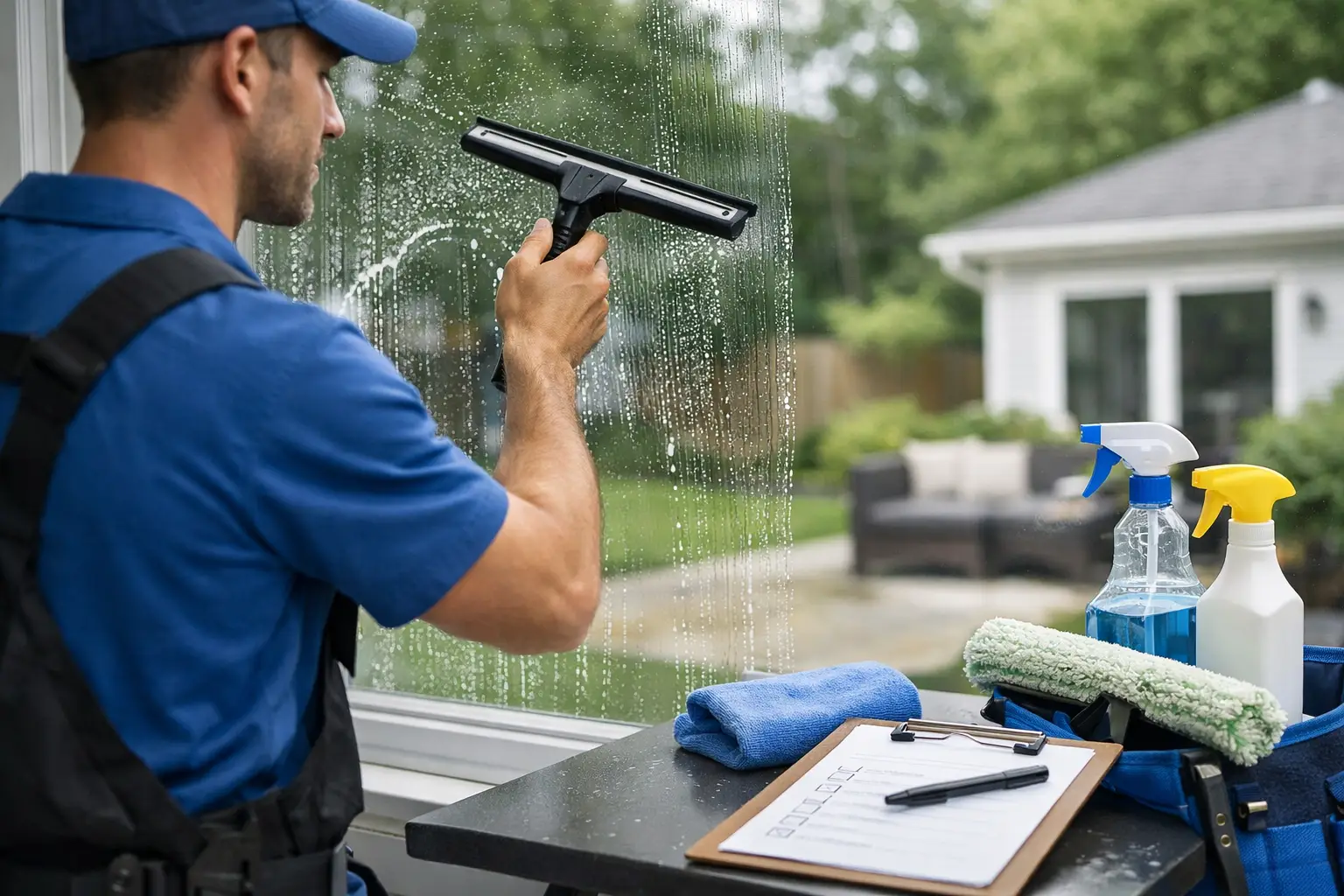
If you want a clear way to assess your home, check each window area for visible film on the glass, hard water spots, fingerprints, screen dust, torn mesh, dirty tracks, stuck sashes, stained sills, cobwebs, and any high-access safety concerns. If more than a few of those boxes apply, it is probably time for more than a quick wipe-down.
Clean windows do more than brighten a room. They make the whole house feel better kept, inside and out. And when you stay ahead of buildup instead of waiting until the glass looks obviously dirty, the job is easier, the results last longer, and your home keeps the kind of clear, finished look you notice every time the light comes through.